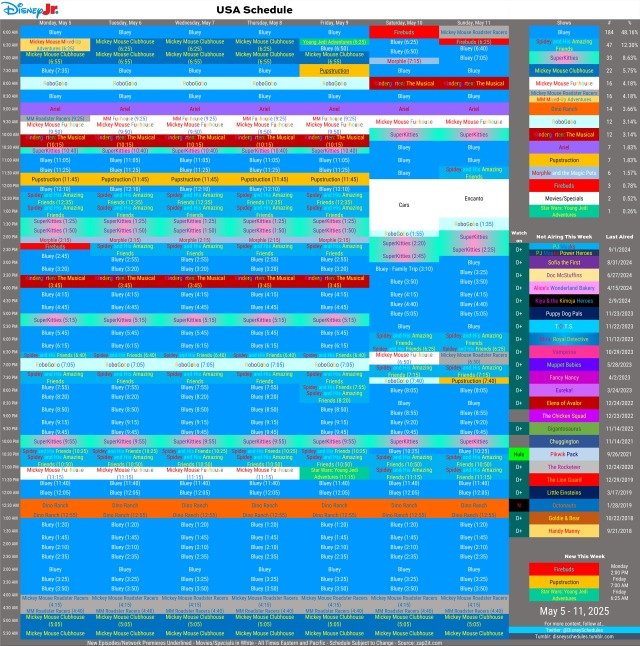
Flipping through channels on a Saturday morning used to be a ritual for millions, a quest for cartoons, sitcoms, and movies that shaped our childhoods. Today, with streaming on demand, that sensation of anticipation might be a fading memory. Yet, the desire to revisit those golden days remains strong, often leading enthusiasts on a treasure hunt for archived Disney Channel schedules. These historical grids of programming offer far more than simple lists; they're portals to forgotten Saturday morning lineups, after-school marathons, and late-night movie blocks that defined an era.
For many, exploring these old schedules isn't just about nostalgia; it's about understanding the cultural footprint of a network that was instrumental in shaping generations. From "Vault Disney" classics to the dominance of DCOMs and the rise of teen sitcoms, the channel's evolution is etched into its daily listings.
At a Glance: Diving into Disney Channel's Past
- Why Bother? Relive cherished childhood memories, conduct research into media history, or simply satisfy a curious mind about what aired when.
- What You'll Discover: Beyond specific show titles, you'll see the strategic programming blocks (like "Playhouse Disney" or "Vault Disney"), the cadence of reruns versus new episodes, and the channel's response to changing viewership habits.
- Where to Look: Digital archives, fan-curated wikis, historical TV guide databases, and even physical collections of old magazines.
- The Challenge: Data can be fragmented or incomplete. Be prepared for a bit of detective work!
- The Reward: A richer understanding of Disney Channel's legacy and a delightful trip down memory lane.
The Hidden Power of the Schedule: More Than Just Showtimes
A daily television schedule is more than a utility; it's a carefully crafted narrative, a strategic blueprint designed to capture and hold an audience. For Disney Channel, this was particularly true. Its schedules reflected not only the shows available but also the network's understanding of its target demographics, the cultural zeitgeist, and its long-term programming philosophy. Analyzing archived Disney Channel schedules allows us to peer into these strategic decisions, witnessing firsthand how the channel evolved from a premium cable offering for families to a pop culture powerhouse for kids and tweens.
Think about it: the choice to air "So Weird" at midnight versus "Lizzie McGuire" in the afternoon wasn't arbitrary. It was a calculated decision about audience availability, content appropriateness, and even how to maximize advertising revenue (before the ad-free era, of course). The ebb and flow of live-action shows, animated series, and original movies tells a compelling story of adapting to an ever-changing media landscape.
A Walk Through Time: Iconic Disney Channel Schedules Unveiled
To truly appreciate the journey, let's look at specific snapshots from Disney Channel's past. These aren't just random dates; they represent different eras, showcasing the channel's shifting priorities and the shows that defined them.
The Early 2000s: A Blend of Classics and New Favorites (February 3, 2002)
The early 2000s were a fascinating time for Disney Channel, bridging its roots in classic Disney content with the burgeoning era of original programming aimed at a younger generation. The schedule for Sunday, February 3, 2002, perfectly illustrates this dynamic balance.
The day began in the wee hours with shows like "So Weird" at 12:00 AM, followed by "In a Heartbeat," catering to a slightly older, perhaps more nocturnal, audience. Then came the revered "Vault Disney" block, which ran from 1:00 AM to 5:00 AM. This block was a nostalgic treasure trove, featuring beloved classics like "Zorro," the iconic "Spin and Marty," and "Walt Disney Presents." On this particular day, "Walt Disney Presents" included "Disneyland Around the Seasons" and "Gallegher, Part 2," offering a direct link to Walt Disney's own storytelling legacy. Rounding out this classic block was "Ink & Paint Club," a delightful nod to Disney animation history. "Vault Disney" was a stark reminder of the channel's heritage, an intentional effort to keep classic Disney relevant to new generations and appeal to older viewers who grew up with these staples.
As dawn broke, the channel shifted gears dramatically into its "Playhouse Disney" block, running from 5:00 AM to 11:00 AM. This segment was entirely dedicated to preschool programming, showcasing hits like "Disney’s The Little Mermaid," "Bear in the Big Blue House," "The Book of Pooh," "PB&J Otter," "Rolie Polie Olie," and "Stanley." This block became a foundational part of many young children's routines, offering gentle, educational, and engaging content.
The main day programming then kicked in, featuring animated favorites such as "Disney’s Doug" and "Pepper Ann," before transitioning to live-action hits. "Honey, I Shrunk the Kids" offered a sci-fi comedy adventure, while "The Proud Family" and "Lizzie McGuire" began to cement their status as definitive shows of the era, resonating deeply with pre-teens and teenagers.
The movie "Brink!" (1998), a Disney Channel Original Movie (DCOM) about inline skating, aired at 2:00 PM and was repeated at 9:00 PM, highlighting the network's strategy of programming popular DCOMs multiple times throughout the day. "Stanley" episodes, part of the "Playhouse Disney" lineup, frequently filled afternoon and early evening slots from 4:00 PM to 8:30 PM, demonstrating how successful preschool shows could cross over into family viewing times. Late-night concluded with reruns of "The Proud Family," "Pepper Ann," and the reality series "Bug Juice," catering to a late-evening or early-morning youth audience. This schedule exemplifies a channel trying to be all things to all Disney fans, from toddlers to nostalgic adults.
The Mid-2010s: Sitcom Dominance and Block Programming (December 5 & 12, 2016)
Fast forward about a decade and a half, and Disney Channel's programming landscape had transformed significantly. The emphasis had shifted heavily towards original live-action sitcoms and dedicated preschool blocks that had evolved into a separate channel, Disney Junior.
For the weekday schedule during the week of December 5, 2016, consistency was key. The mornings were dominated by the "Disney Junior" block, which ran reliably from 6:00 AM to 1:00 PM. This consolidated many of the beloved preschool shows into a defined, extensive time slot, a reflection of the separate Disney Junior channel's success and its integration into the main Disney Channel schedule.
The afternoons and evenings were a parade of popular sitcoms. A notable feature was the "Hannah Montana" block, airing four consecutive episodes daily from 5:00 PM to 7:00 PM. This dedicated block capitalized on the enduring popularity of classic Disney Channel series, drawing in both original fans and new viewers discovering the show. Other prominent series throughout the week included contemporary hits like "Stuck in the Middle," "Liv and Maddie," "K.C. Undercover," "Bunk'd," "Girl Meets World," and "Bizaardvark." These shows represented the channel's successful formula of comedic narratives centered around relatable characters and aspirational scenarios.
Special programming for the week included various animated and live-action shows such as "Star Darlings," "Elena of Avalor," "Milo Murphy's Law," "Austin & Ally," "Star vs. the Forces of Evil," and "Jessie." The holiday season brought a festive touch with movies and specials like "Home Alone: The Holiday Heist" (Dec 6), the classic "Aladdin" (Dec 8), "Duck the Halls: A Mickey Mouse Christmas Special" (Dec 9), "Lego Frozen Northern Lights" (Dec 9), and "The Great Christmas Light Fight" (Dec 6-8), showcasing the channel's ability to blend its original content with seasonal favorites.
Moving to the week of December 12, 2016, the core weekday structure remained largely consistent. The "Disney Junior" block continued from 6:00 AM to 1:00 PM, and the "Hannah Montana" marathon from 5:00 PM to 7:00 PM (Monday-Thursday) held its ground. Recurring series like "Liv and Maddie," "Stuck in the Middle," "K.C. Undercover," "Bunk'd," "Girl Meets World," "Bizaardvark," "Austin & Ally," "Walk the Prank," and "Jessie" filled the remaining slots, reflecting their sustained popularity. Animated shorts "Mickey Mouse" and "Descendants: Wicked World" also appeared.
The movie lineup shifted, with "Alvin & the Chipmunks: The Squeakquel" (Dec 12, 13), "Happy Feet" (Dec 14, 15), and "Happy Feet Two" (Dec 15) providing family-friendly entertainment. Friday, December 16, introduced a unique schedule variation: "Disney Junior" ran until 12:00 PM, followed by an extensive "Good Luck Charlie" marathon from 12:00 PM to 7:30 PM, culminating in the festive movie "Good Luck Charlie, It's Christmas!" at 8:00 PM. This marathon strategy was a common way for the channel to celebrate popular series and offer a dedicated viewing experience, especially around holidays.
These mid-2010 schedules highlight a channel fully committed to its successful sitcom model, leveraging both new hits and beloved classics, while also strategically incorporating movies and holiday specials to keep viewership high.
Late 2010s: Shifting Landscape and New Originals (November 6, 2017)
By late 2017, Disney Channel was continuing its evolution, adapting to increased competition from streaming services and the changing viewing habits of its core audience. The schedules still featured a mix of established and newer original series, with a clear focus on specific time blocks.
The weekday schedule for the week of November 6, 2017, presented a consistent morning lineup from Monday to Thursday. It began with "Jessie," "Bunk'd," "Hotel Transylvania: The Series," and "Tangled: The Series" from 6:00 AM to 8:00 AM, catering to slightly older children with a mix of live-action and animated content. This was immediately followed by the dedicated "Disney Junior" block, which ran from 8:00 AM to 2:00 PM, demonstrating the continued importance of preschool programming to the channel's overall strategy.
The afternoon and evening slots were dominated by the channel's then-current flagship original series. "Andi Mack," "Raven's Home," "Stuck in the Middle," "Bizaardvark," and "K.C. Undercover" were prominently featured, often with multiple episodes airing consecutively. This reflected the network's confidence in these shows and their ability to attract and retain viewership throughout the peak after-school and early-evening hours. "Liv and Maddie" also made appearances in late-night slots, showcasing the longevity and enduring appeal of its reruns.
Movies continued to play a role in the programming mix, with "Despicable Me" airing on November 6 and "Good Luck Charlie" being shown from November 7-9. These popular films offered alternative viewing and often served as lead-ins for evening programming. The Friday, November 10 schedule broke from the weekday pattern slightly, with "Disney Junior" extending until 11:30 AM, and a significant event movie, "Descendants 2," airing in a prime-time slot at 9:00 PM. This strategic placement of a popular DCOM sequel highlighted its importance as a tentpole event for the network, drawing in a large, dedicated audience.
These schedules from the late 2010s underscore a channel that had honed its focus on a core demographic of 6-14 year olds with a robust slate of original sitcoms and animated series, while also maintaining its commitment to preschool viewers and leveraging its successful movie franchises.
Decoding the Daily Grid: What Archived Schedules Tell Us
Beyond individual show titles, the very structure of archived Disney Channel schedules offers profound insights into the channel's operations and its relationship with its audience.
Programming Blocks and Their Purpose
- Playhouse Disney / Disney Junior (5:00 AM - 1:00 PM): These blocks were meticulously crafted for early childhood development. They focused on educational content, bright visuals, and engaging characters designed to entertain and teach preschoolers. Their early morning to early afternoon placement recognized the viewing habits of young children and their caregivers.
- Vault Disney (1:00 AM - 5:00 AM): A unique offering, "Vault Disney" appealed to nostalgia and a slightly older demographic, perhaps even parents who grew up with these classics. Its late-night slot meant it wasn't competing with prime-time family viewing but rather served as a quiet, reflective block for classic animation, serials, and featurettes. It was a nod to Disney's rich heritage, ensuring it remained part of the channel's identity.
- Afternoon & Evening (1:00 PM - 9:00 PM): This was the main event for school-aged children and tweens. It featured the channel's most popular live-action sitcoms, animated series, and original movies. The goal was to capture kids after school, keep them engaged through dinner, and offer prime-time family viewing options. The repetition of popular episodes and movies was a deliberate strategy to ensure broad viewership.
- Late Night (9:00 PM onwards): Often filled with reruns of popular teen-focused shows or DCOMs, this block catered to an older subset of the audience, potentially teens, or even families looking for background entertainment.
The Strategic Dance of Reruns and New Episodes
Notice how certain shows, especially hit sitcoms, would appear multiple times a day or week. This wasn't laziness; it was strategic. Reruns allowed viewers who missed an episode to catch it later, built a sense of familiarity, and kept popular content in rotation, driving consistent viewership. New episodes, often aired once in prime time, became "events" that then entered the rerun rotation, maximizing their reach.
Movies and Specials: Event Programming
Disney Channel Original Movies (DCOMs) and special holiday programming were cornerstones of the schedule. Their infrequent airing (perhaps once or twice a week, often with a repeat showing) turned them into must-see events. They served as powerful viewership drivers, offering fresh content that broke the routine of series episodes and often garnered significant social buzz. The channel understood the power of a good movie to draw in families and deliver a collective viewing experience.
These insights reveal that Disney Channel schedules were dynamic, responsive, and always aimed at connecting with its audience across various age groups and times of day.
Where to Dig: Unearthing Archived Disney Channel Schedules
So, if you're ready to embark on your own archival journey, where do you begin? Finding archived Disney Channel schedules can be a rewarding detective mission, with several avenues to explore.
The Digital Archives: Your First Stop
The internet is a vast repository, and several digital resources are invaluable for this type of research.
- Fan Wikis and Communities: Websites like the Disney Wiki (Fandom) or dedicated Disney Channel wikis are often curated by passionate fans who have painstakingly compiled episode lists, air dates, and sometimes even full daily schedules. While incredibly comprehensive, it's always wise to cross-reference with other sources, as user-generated content can occasionally contain errors.
- The Internet Archive's Wayback Machine: This incredible tool allows you to view archived versions of websites as they appeared on specific dates. You can search for old TV guide websites (e.g., Zap2it, TV Guide's own site) or even Disney Channel's official site from years past. While not guaranteed to have every day's full schedule, it's an excellent way to see what was published publicly at the time.
- Specialized TV Schedule Archiving Sites: There are websites (though specific names can change over time) dedicated to collecting and displaying historical television schedules. A quick search for "archived TV schedules" or "historical cable TV listings" might yield promising results. These sites often aggregate data from various sources, making your search easier.
Traditional Media: For the Dedicated Archivist
Sometimes, the old ways are the best ways, especially for very old or obscure listings.
- Old TV Guide Magazines: Before the internet, the weekly TV Guide magazine was the authority for television listings. Antique shops, online marketplaces (like eBay), or even local library archives might house collections of these magazines. If you're looking for a specific week from decades ago, this could be your most reliable source.
- Library and University Archives: Larger public libraries, university libraries, or specialized media archives may have collections of old periodicals, including TV guides or media industry publications that carried detailed listings. Accessing these might require a visit, but they offer highly credible, primary source information.
Community and Forums: Collective Memory
Don't underestimate the power of collective memory. Dedicated Disney fan communities, forums, and subreddits are filled with individuals who share your passion for Disney Channel's history. Posting a query about a specific show or date can sometimes lead to someone sharing a screenshot of an old listing they saved or pointing you to a less-known resource. These communities are also fantastic for collaborative efforts in piecing together incomplete data.
Navigating the Search: Tips for Finding Specific Airings
Once you know where to look, here’s how to refine your search for archived Disney Channel schedules:
- Be Specific with Dates and Shows: The more precise you are, the better. Instead of "Disney Channel in 2005," try "What aired on Disney Channel on October 27, 2005, at 7 PM?" or "When did Kim Possible first air in 2002?"
- Cross-Reference Multiple Sources: No single source is infallible. If you find a schedule on a fan wiki, try to verify key details with a screenshot from the Wayback Machine or an old TV Guide entry if possible. This helps ensure accuracy.
- Understand Time Zones: Most archived schedules will be listed in a specific time zone (e.g., Eastern Standard Time - EST). If you're comparing it to your own memories or local listings, be mindful of the time difference. Major national channels like Disney Channel typically had a single national feed with repeat airings for different time zones, but minor variations could exist.
- Keyword Variations: When searching, try different terms. "Disney Channel schedule," "Disney Channel TV listings," "Disney Channel program guide," or even specific show names paired with "air date" can yield different results.
- Look for Promotional Materials: Sometimes, old promotional calendars or press releases for Disney Channel would include highlights of upcoming programming, which can help corroborate full schedules or provide context for special events.
Embarking on this kind of archival research is a journey, and with these tools and tips, you're well-equipped to uncover the hidden gems of Disney Channel's storied past.
Challenges and Caveats in Archival Research
While the hunt for archived Disney Channel schedules is often rewarding, it's important to acknowledge some common pitfalls and limitations you might encounter. Understanding these can help manage expectations and make your research more effective.
Incomplete Data: The Archival Gap
The biggest challenge is often the sheer incompleteness of available data. Not every single day or year's schedule for Disney Channel has been perfectly preserved and digitized. Some periods, especially older ones, might have significant gaps. Television scheduling wasn't always seen as a historical artifact, so comprehensive archiving wasn't always a priority in real-time. You might find a full week here, a random Tuesday there, but rarely a continuous, unbroken run for decades.
Varying Accuracy: Trust, But Verify
When relying on user-generated content, such as fan wikis or forum discussions, accuracy can vary. While many fans are meticulously dedicated, human error is always a possibility. A transposed date, a forgotten repeat airing, or a misremembered time slot can creep into even the most well-intentioned archives. This is why cross-referencing with multiple, independent sources is crucial. Treat initial findings as leads, not definitive facts, until you've corroborated them.
"Lost" Episodes or Specials: The Fleeting Airing
Occasionally, you might be searching for a specific episode, short, or special that you vividly remember but can find no record of. Sometimes, programming was a one-off, aired in a specific region, or was part of a larger block that wasn't itemized granularly. Pilot episodes, holiday interstitials, or short-form content might have aired and disappeared from common record-keeping. The internet's memory is vast, but not infinite.
Evolution of Branding and Content Naming
Over the years, Disney Channel itself, its programming blocks, and even show titles sometimes underwent rebranding or slight changes. "Playhouse Disney" became "Disney Junior." Shows might have been syndicated under slightly different titles. Be aware that what you remember might have been called something slightly different in official listings, which can complicate keyword searches. Understanding these historical changes can be a research advantage.
Technical Limitations of Digital Archives
The Wayback Machine, while incredible, isn't perfect. Not every page of every website was archived, and some interactive elements or dynamic content from old TV listing sites might not render correctly. You might see a blank space where the schedule should have been or find that a site's database didn't fully load.
Approaching your search with a clear understanding of these challenges will make you a more resilient and effective archival detective, better equipped to piece together the fascinating puzzle of Disney Channel's broadcast history.
Beyond Nostalgia: Why Archived Schedules Matter
While a powerful wave of nostalgia is often the initial draw, the value of archived Disney Channel schedules extends far beyond simply reliving childhood memories. They serve as rich historical documents with broader applications.
Cultural Study: Reflecting Societal Trends
Television, especially children's television, is a mirror to society. By examining archived schedules, cultural historians and media scholars can trace the evolution of themes, values, and concerns reflected in programming. For instance, the shift from purely educational content to problem-solving sitcoms, or the gradual increase in diverse representation, can be clearly seen in the types of shows the Disney Channel prioritized over time. The rise and fall of specific genres (e.g., teen reality shows like "Bug Juice" versus serialized dramas like "Andi Mack") also offer insights into what resonated with young audiences across different decades.
Media History Research: Understanding Broadcasting Strategies
For media historians and broadcasting students, these schedules are invaluable primary sources. They reveal strategic decisions made by network executives:
- Audience Targeting: How different blocks (Playhouse Disney, Vault Disney, prime time) aimed at specific demographics.
- Content Cycling: The rhythm of new episodes versus reruns, and how long shows remained in heavy rotation.
- Event Programming: The strategic placement of DCOMs and holiday specials to maximize viewership and create buzz.
- Competitive Landscape: How Disney Channel adapted its schedule in response to rival networks or the emerging digital landscape.
Studying these patterns helps us understand the business of children's television and the intricate dance between creative content and commercial viability.
Fandom and Preservation: Fueling the Community
For dedicated fans, archived schedules are crucial for completing comprehensive databases of show airings, episode orders, and even identifying "lost" segments or specials. This collective effort contributes to the preservation of media history, ensuring that the legacy of Disney Channel's programming isn't lost to time. It empowers fan communities to accurately document the network's output, often filling gaps where official records might be scarce. The desire to know exactly when a favorite episode first aired, or what movie played on a significant childhood date, strengthens communal bonds and fosters a shared appreciation for media.
Ultimately, these schedules are more than just lists; they are fragments of cultural memory, vital for understanding the past, present, and future of children's entertainment and media consumption.
Your Own Disney Channel Time Capsule: Practical Steps
Ready to build your own understanding of Disney Channel's past? Here’s a pragmatic approach to gathering and making sense of archived Disney Channel schedules:
- Define Your Quest: Are you looking for a specific show's debut, what aired on your birthday, or a broader overview of a particular year? Having a clear goal will focus your search.
- Start Broad, Then Narrow Down: Begin with general searches on fan wikis or the Wayback Machine for a specific year or month. Once you find promising leads, narrow down to specific dates and times.
- Create a Digital Folder: As you find information, save screenshots, copy-paste text, or bookmark pages. Organize them by year, month, or show. This creates your personal archive.
- Annotate Your Findings: Note the source of each piece of information. If it's from a fan wiki, make a mental note to try and cross-reference. If it's a screenshot from an old TV Guide site, that's likely more reliable.
- Look for Patterns: Don't just collect individual days. Try to identify recurring blocks, movie nights, or consistent rerun schedules. These patterns are often more insightful than isolated entries.
- Engage with Communities: If you hit a wall, don't hesitate to ask in relevant online forums or subreddits. Someone else might have the exact piece of information you need or can suggest new search avenues.
- Consider Offline Resources: For truly deep dives into older periods, remember that physical TV Guides or library archives might hold the key.
By following these steps, you can systematically build your own rich understanding of how Disney Channel's programming shaped the viewing landscape and perhaps, your own childhood.
The Ever-Evolving Disney Channel Story
The journey through archived Disney Channel schedules is a fascinating expedition into the heart of children's media, broadcasting history, and personal nostalgia. From the pioneering days of "Vault Disney" to the sitcom supremacy of the 2010s, each schedule is a chapter in a much larger story, reflecting cultural shifts, technological advancements, and the enduring power of storytelling.
These historical listings are more than just static data; they are vibrant records of how millions of children spent their afternoons, evenings, and weekends. They illustrate the strategic genius behind creating engaging, memorable content and delivering it in a way that captured hearts and minds.
So, whether you're a media historian, a casual fan, or simply seeking a tangible link to your own past, dive into these archives. Explore the subtle shifts, the beloved constants, and the forgotten gems that shaped one of television's most iconic channels. Each retrieved schedule offers a fresh perspective, reminding us that even the simplest daily listing can hold profound insights into our shared cultural heritage. Begin your own exploration today and discover the rich tapestry of Disney Channel's programming. To see more about the network's programming, you can always View Disney Channel Schedule.